Introduction
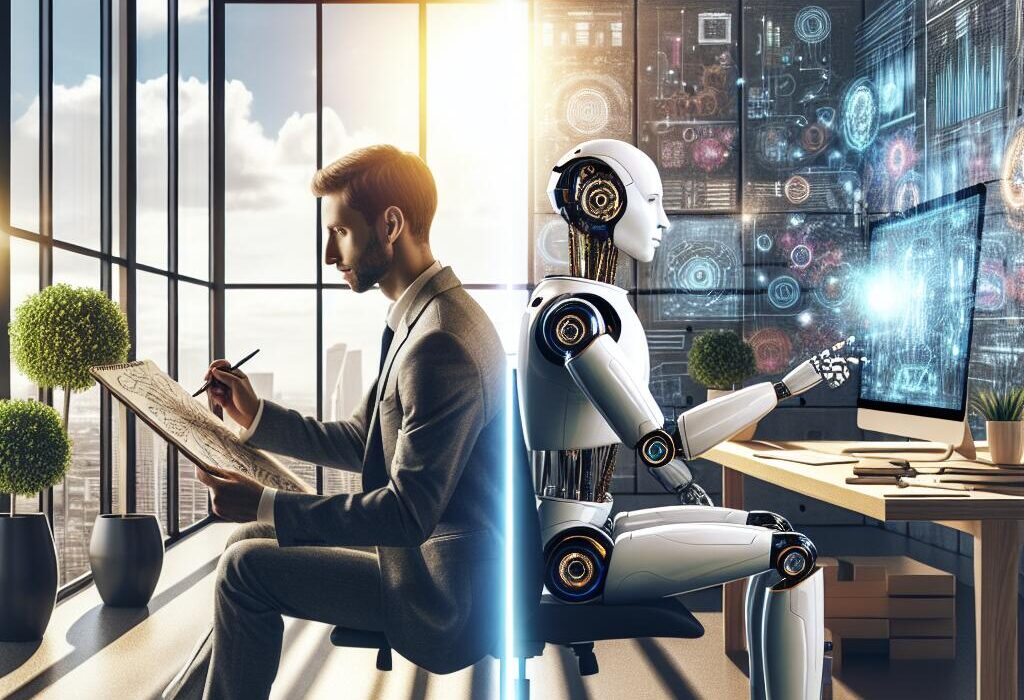
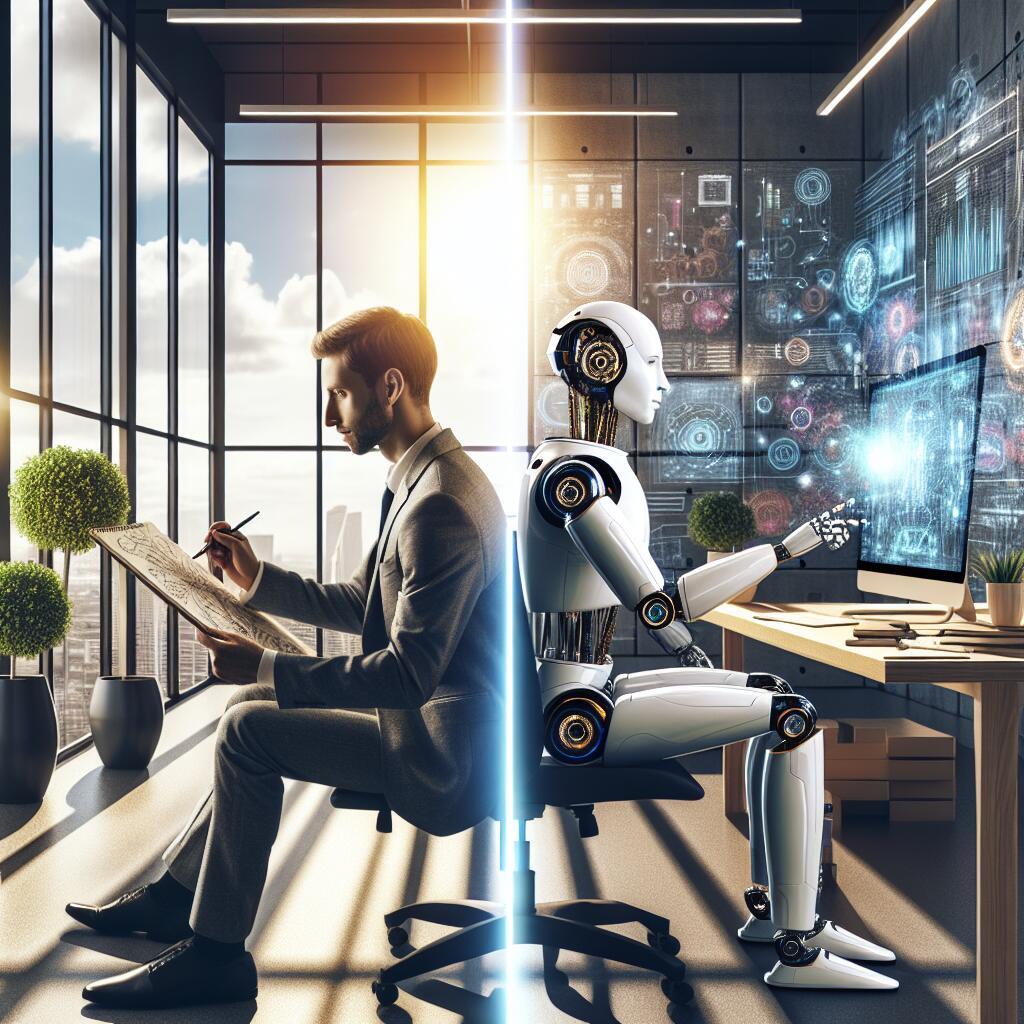
As we witness a significant shift brought on by advanced technologies, the implications of Artificial Intelligence (AI) on human purpose and careers are profound. This transformation, often referred to as the “great cognitive migration”, is redefining the essence of work and personal fulfillment.
The Impact of AI on the Workforce
AI in the Workplace
AI’s integration into the workplace is not just about automation replacing jobs but enhancing job roles to create more value. For instance:
- Automation of Routine Tasks: AI can handle repetitive tasks, allowing humans to focus more on complex problem-solving and creative duties.
- Enhanced Decision-Making: With AI’s capacity to analyze large datasets, humans can make more informed decisions quickly.
Emerging Job Roles
With the rise of AI, new careers are emerging that require a blend of technical skills and human intuition. Some of these roles include:
- AI Ethics Officer
- AI-assisted Healthcare Provider
- Robotic Rights Advocate
Redefining Human Purpose
Shifts in Work Values
The introduction of AI in our daily lives is not only modifying what we do but also how we perceive our roles in society. This shift tends to lean towards:
- Value on Creativity and Strategic Thought: As AI manages more of the mundane tasks, the unique human ability to think creatively becomes more valuable.
- Emphasis on Social and Emotional Skills: Skills that AI cannot easily replicate, such as empathy and emotional intelligence, are becoming more crucial.
Balancing Technology and Humanity
Maintaining Human Connection
Despite the efficiencies brought by AI, maintaining a human connection in workplaces and communities remains essential. This balance is crucial in ensuring that technology enhances rather than replaces human interactions.
Guiding Ethical AI Use
Ensuring the ethical use of AI is paramount. Organizations and governments are working together to establish guidelines that promote fairness, accountability, and transparency in AI applications.
At a Glance
- AI is automating routine tasks and spurring new job roles.
- Shift towards valuing creativity and empathy.
- Essential balance between AI efficiencies and human connection.
FAQs
What are the positive impacts of AI on employment?
AI creates opportunities for higher-value work and spawns new industries, leading to job creation in sectors like AI management and ethics.
Can AI replace human emotions and connections?
Currently, AI cannot replicate genuine human emotions and the complex nature of human relationships, emphasizing the irreplaceable value of human touch in various fields.
Summary
The “great cognitive migration” driven by AI is transforming how we view work, value human qualities, and perceive our roles in society. As AI continues to evolve, striking a balance between leveraging technology and preserving the essence of humanity will be vital for future developments.
Related Links
For further insights, refer to this briefing on the evolution of AI technologies and explore our Related Article on AI in education.